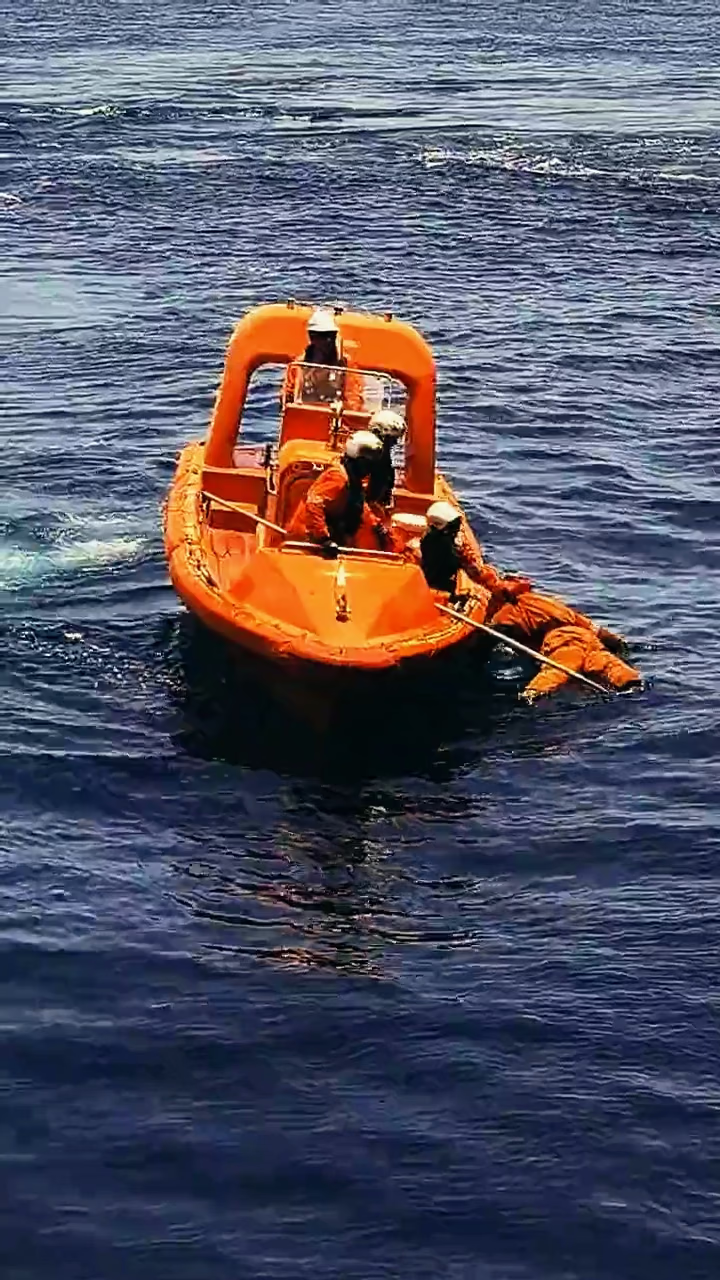
AI for the challenges facing emergency responders, police and border-protection teams.
Where this stands: Media and document authenticity checks are available to public-safety teams today.

Sample evidence itemCase file, exhibit 7
- Video: no deepfake signs
- Audio: voice synthesis signsSeparate finding
Decisions made under pressure, on evidence that may be fake.
Investigators receive photos, video, audio and documents from the public, from devices and from other agencies. Some of it has been edited or generated, and a convincing deepfake can mislead an investigation or a court.
Border teams examine travel documents at speed. Emergency responders search difficult terrain where every minute matters. Each of these is a place where better evidence, or another pair of eyes, changes the outcome.

What public-safety teams answer to
High-risk use
The EU AI Act classes many uses of AI in law enforcement and border control as high-risk, with strict requirements for oversight and documentation.
Chain of evidence
Findings about a piece of media have to be explainable and reproducible if they are to be used.
Responder safety
Search and rescue puts teams in dangerous terrain and conditions.
Where AI does the work

Uses available products
Media authenticity analysis
Detector24 models examine images, video and audio for signs of generation and manipulation, giving investigators distinct signals for each kind of evidence.
Uses available products
Document authenticity
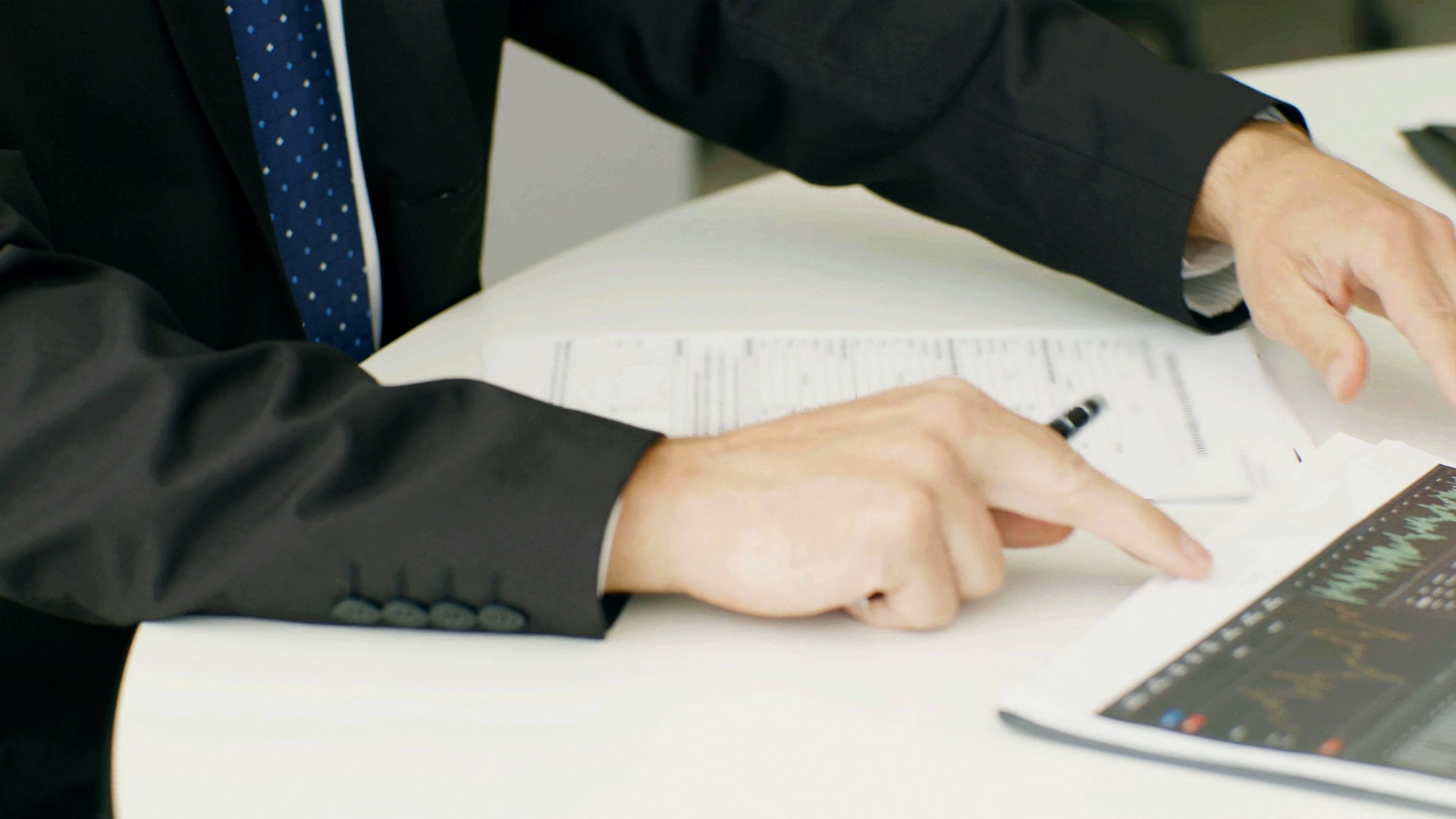
Document forensics examines submitted PDFs and images, and chip-based checks read the security chip in passports and identity cards.
Application direction
Evidence-review workflows
Agentic workflows gather the submissions in a case, run the relevant checks and present the findings to an investigator with their reasons.
Research
Search and rescue autonomy
Zora is being developed to coordinate aerial search missions, responding to what it observes and managing recovery when a plan fails. Shown in simulation.
A video submitted as evidence
How available models could support an investigator. It describes the steps, not an agency deployment.
A video and its accompanying statement are added to a case.
The video is checked for deepfake signs and the audio for voice synthesis, as separate findings.
The investigator sees what was checked, what was flagged and why.
The investigator decides how to treat the evidence. The analysis informs that decision; it does not make it.
In
- Video frames
- Audio track
Out
- Video: no deepfake signs
- Audio: voice synthesis signsSeparate finding



Questions from public-safety teams
What can be checked for manipulation?
Images, video and audio, each with its own signals for generation and manipulation, as well as submitted PDFs and document images. Chip-based checks read the security chip in passports and identity cards.
Who decides what the evidence means?
The investigator. In the evidence-review workflow, an application direction, agents gather the submissions in a case, run the relevant checks and present the findings with their reasons.
Is the search and rescue autonomy operational?
No. Zora's search and rescue work is research, shown in simulation.
Other industries
All industries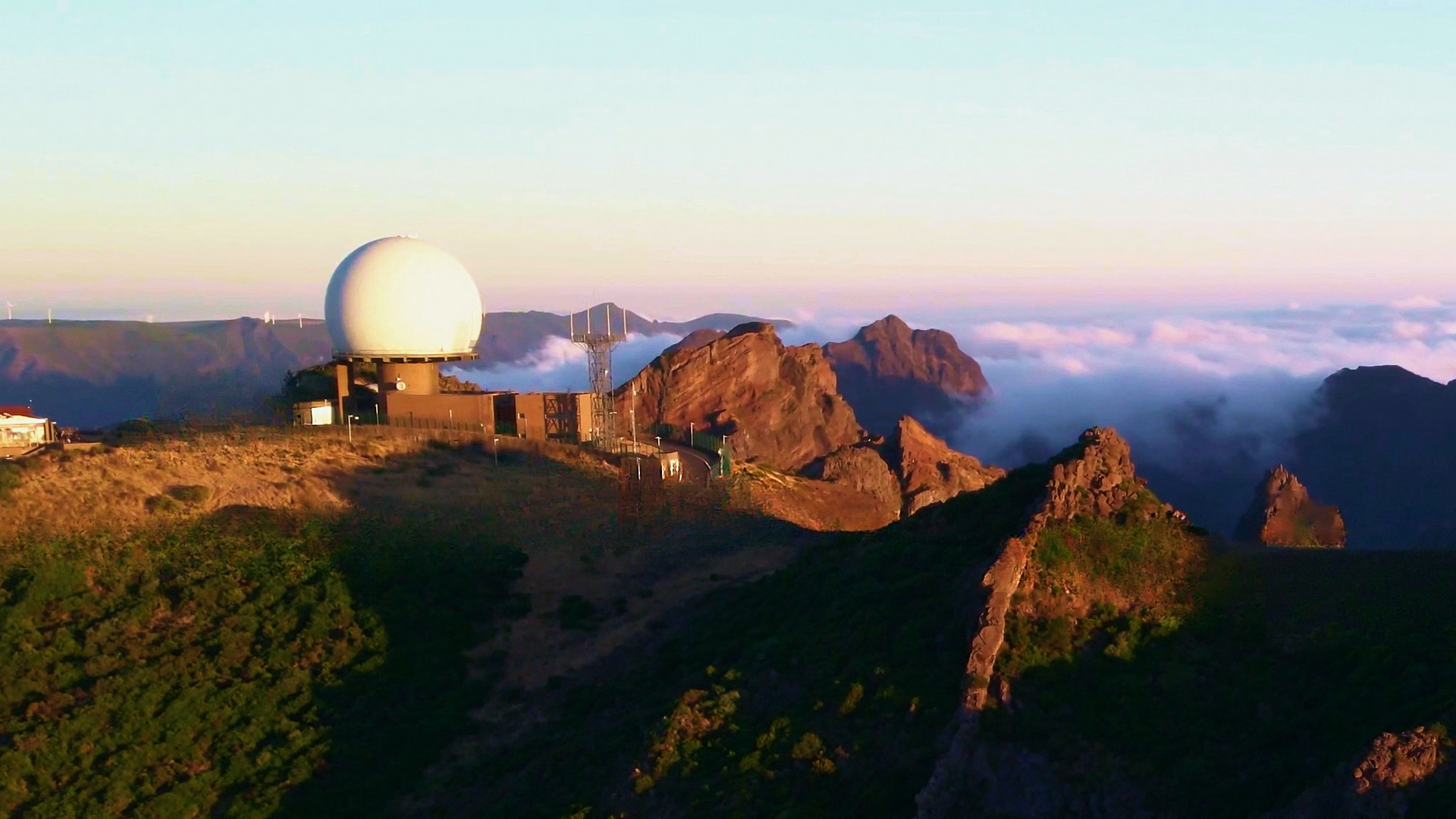

Talk to Bynn about public safety.
Bring the evidence your teams find hardest to trust. We will show you what can be examined today and what our research is working toward.